A new survey finds that, after learning more, 68% of respondents now consider grasslands a critical ecosystem.
Forty-seven percent of Americans are unfamiliar with grasslands—one of the nation’s most essential and most threatened ecosystems, according to new national survey findings released by the America’s Grasslands Coalition. However, after completing the survey, more than two-thirds ranked grasslands as one of the top three most important ecosystems. The America’s Grasslands Coalition sees this as a promising sign that increasing appreciation and awareness of America’s grasslands is the key to catalyzing conservation action. The results are part of a nationally representative survey conducted by GlobeScan during April 16-28, 2026, with a sample size of 2,014.
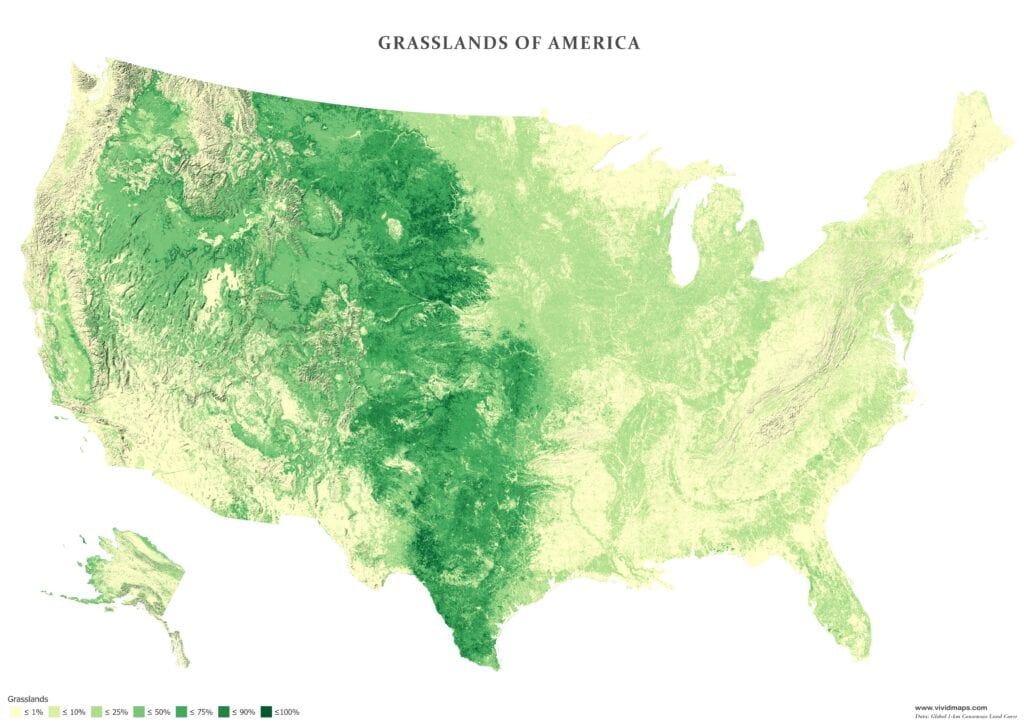
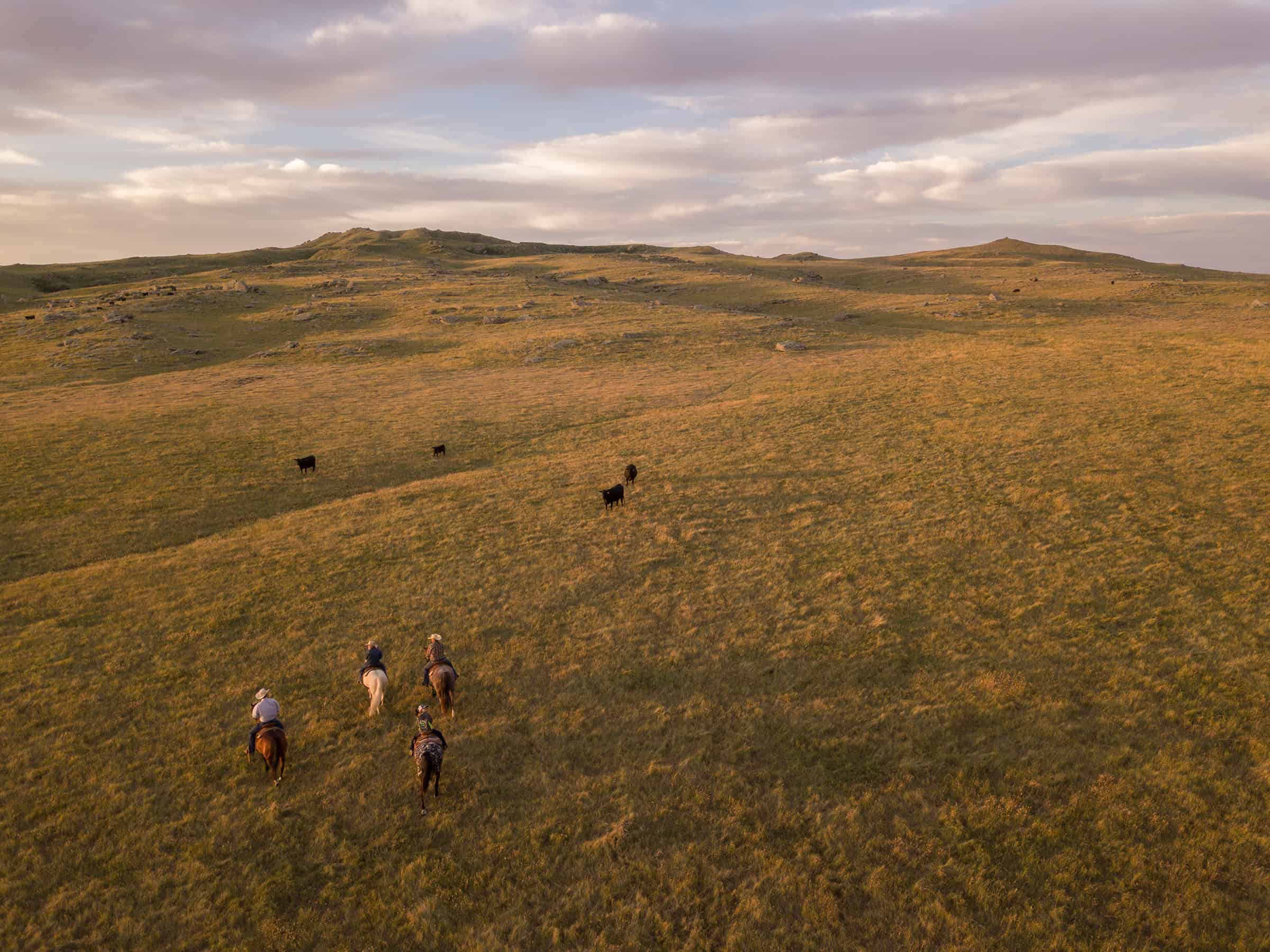
A foundation of biodiversity and rural livelihoods, grasslands play a vital role in supporting wildlife, storing carbon, sustaining food systems, and maintaining ecosystem balance. U.S. Grasslands, including savannahs and shrublands, currently cover nearly 1 million square miles. And yet they are disappearing at an alarming rate, with only about half of the country’s historic grasslands remaining. This decline threatens wildlife, rural economies, and climate resilience.
Key findings
- Awareness of grasslands remains low: Only 16% of surveyed Americans say they have a significant or a lot of knowledge about grasslands, while nearly half (47%) claim having little or no knowledge.
- Perceived importance rises with awareness: At the beginning of the survey, only 31% of respondents place grasslands among the top three most important ecosystems, which makes grasslands’ overall importance-ranking fall behind freshwater (69%), forests (61%), and oceans (45%). By the end, after learning more, 68% of respondents rank grasslands as one of the top three most important ecosystems.
- Need for conservation is underestimated: Only 24% of respondents identify grasslands as one of the top three most threatened, placing them near the bottom among all ecosystems.
- Strong support for conservation: 71% are likely to support grasslands conservation. 47% think the future of grasslands affects them personally and 58% believe their actions can make a difference in protecting grasslands.
“Grasslands are among America’s largest natural habitats, supporting wildlife, food systems, and communities across the country, but too few Americans realize how important they are,” said Martha Kauffman, vice president of WWF’s Great Plains Program. “The encouraging news is that people are ready to act once they make that connection.”
In response, leading conservation organizations have formed the America’s Grasslands Coalition, with 10 partners leading the US Grasslands Campaign to elevate grasslands as a national conservation priority. This public awareness campaign, with multiple waves during this summer and next year, aims to increase public understanding of grasslands and build nationwide support for their conservation.
“As the United States approaches its 250th anniversary, this is a moment to recognize the landscapes that have shaped the nation,” said Ginette Hemley, senior vice president of wildlife conservation at WWF. “From iconic species like bison to the communities that depend on them, grasslands are part of that heritage—and protecting them is part of our shared future.”